
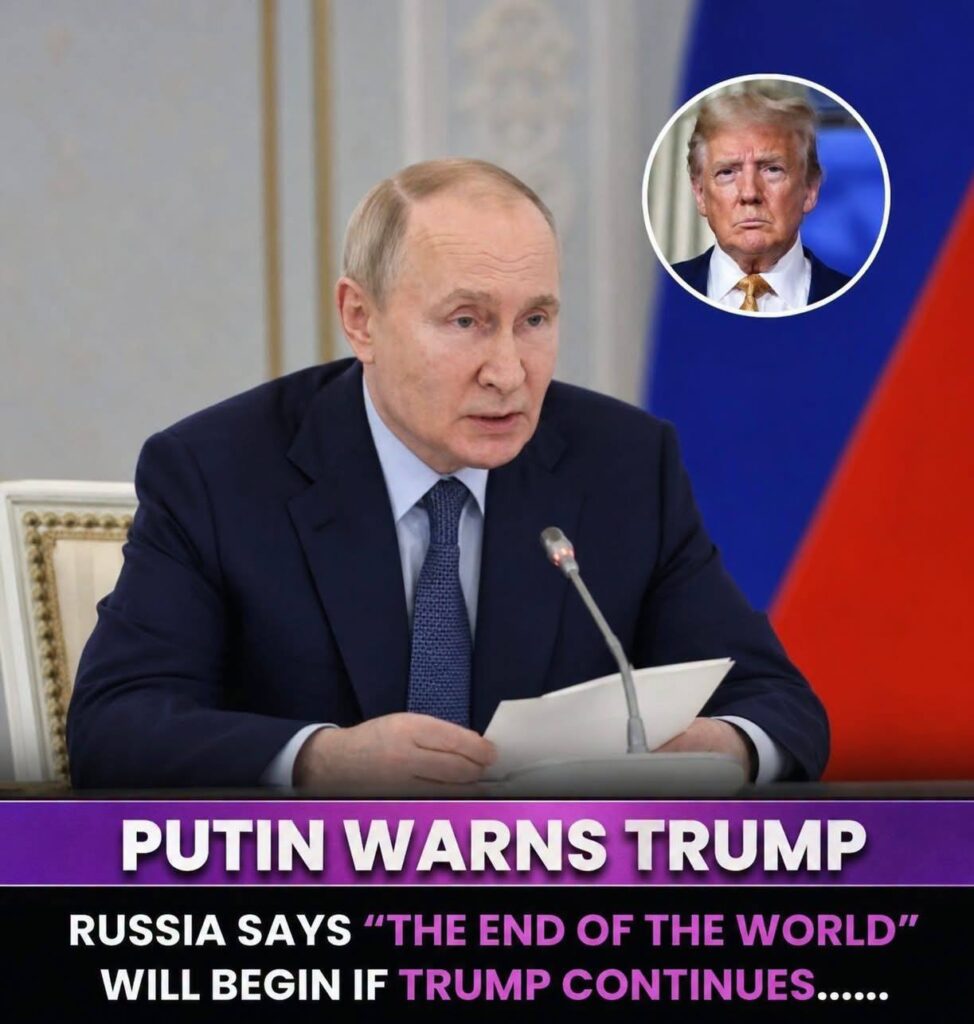
A Russian warning just turned a political talking point into a nightmare scenario.
Words about Greenland, once mocked as absurd, now echo with nuclear undertones.
NATO allies are alarmed. Moscow is furious. And in the middle lies a melting Arctic, bristling with missiles, bases, and mistrust, where one misstep could cha… Continues…
What began as renewed rhetoric about U.S. control over Greenland has collided with a far more dangerous reality: the Arctic is now a frontline of great‑power rivalry. Trump’s framing of Greenland as a strategic asset taps into genuine military concerns—missile warning systems, new shipping lanes, and competition with Russia and China—but it also risks turning a cooperative space into a contested one. For Denmark and Greenland, the message is simple: sovereignty is non‑negotiable, and alliance discipline matters.
Russia’s apocalyptic warning, invoking “the beginning of the end of the world,” is partly theater, partly signal. It reflects deep anxiety that any expanded U.S. missile shield—the so‑called “Golden Dome”—could erode Russia’s nuclear deterrent. In a region where nuclear‑armed forces operate in harsh, poorly monitored conditions, the greatest danger is not a planned war but an accident or miscalculation. Whether Greenland becomes a flashpoint or a managed fault line now depends on leaders choosing restraint over bravado, dialogue over spectacle, and long‑term stability over short‑term political gain.