
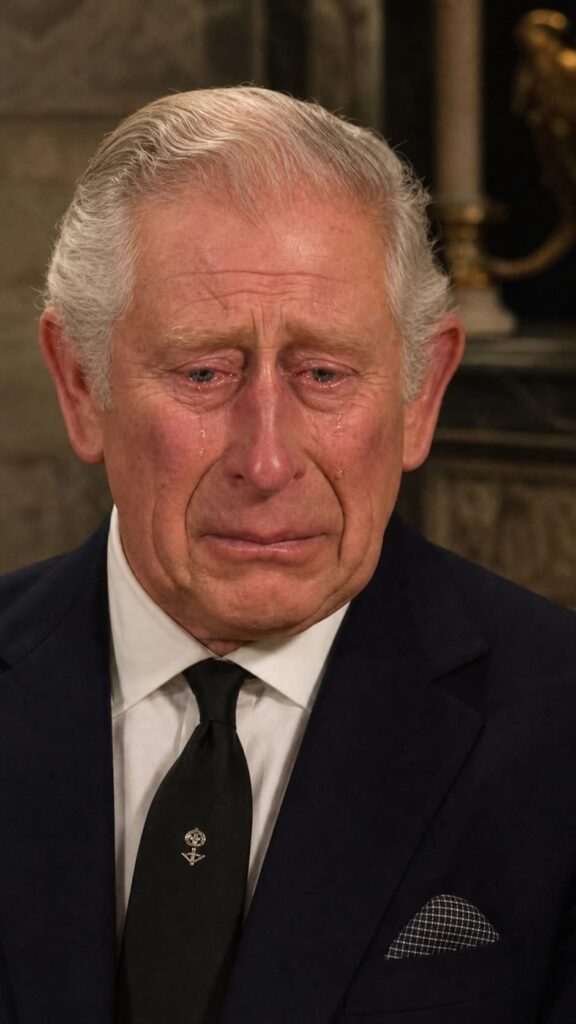
They want you to panic.
They want you to click before you think.
From “8 minutes ago” royal “tragedies” to vague “sad announcements,” a whole industry profits from your fear, curiosity, and love of the crown. But behind those breathless headlines, the truth is quieter, slower, and far less dramatic than the algorithm demands. Here’s how to protec… Continues…
The British royals sit at the perfect crossroads of celebrity, power, and myth, which makes them irresistible clickbait. Headlines hinting that “King Charles made a sad announcement about Prince William” work because they weaponize emotion, urgency, and mystery all at once. They rarely need proof; they just need you to hesitate for half a second before your thumb taps. That half second is where manipulation lives.
You can break that cycle. Instead of treating every viral “royal shock” as breaking news, treat it as an unverified claim until it’s backed by named sources, palace statements, or multiple reputable outlets. Ask: who is saying this, and what do they gain if I believe it? In a digital world built to reward outrage and drama, choosing patience, skepticism, and source-checking is an act of quiet rebellion—and the surest way to keep your understanding of real people and real events anchored in fact, not fabrication.