
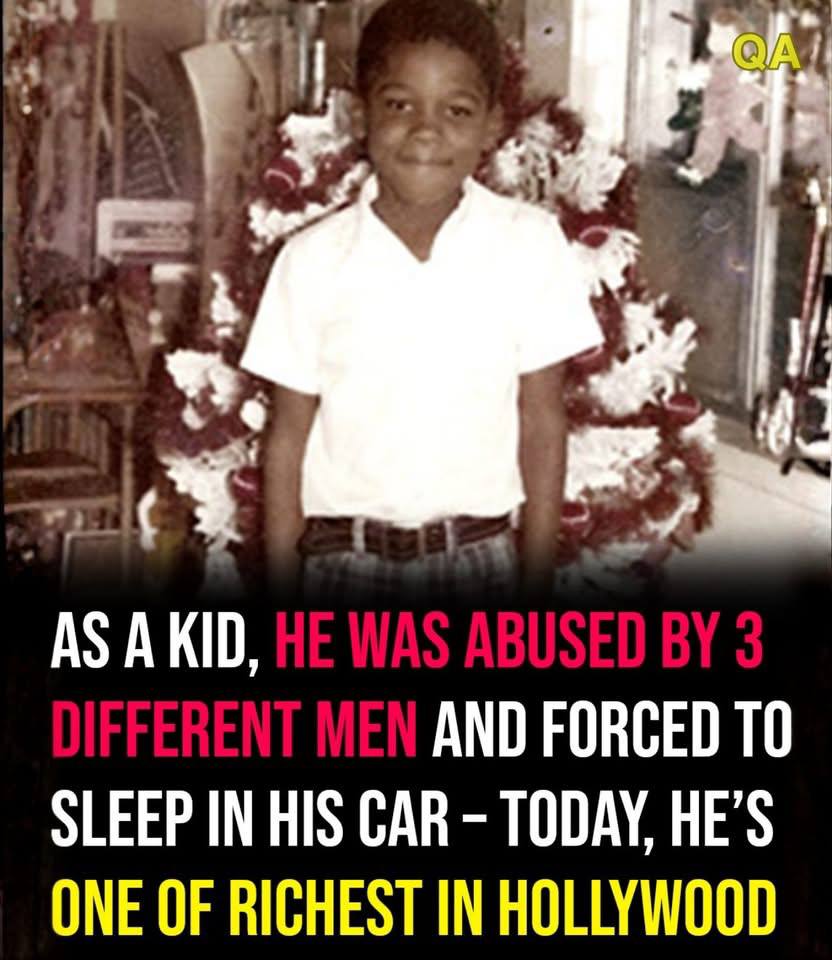
The story of Tyler Perry is one of the most profound paradoxes in modern entertainment. To the world, he is a titan of industry—a visionary who built a billion-dollar empire from the ground up, a celebrated actor, and a prolific producer with Academy Awards and Emmys to his name. Yet, beneath the veneer of his immense Hollywood success lies a history of profound personal struggle and a childhood defined by systemic trauma.
The fact that Perry commands a net worth of approximately $1 billion is a testament to his relentless work ethic and his unique ability to connect with an audience that the mainstream industry once ignored. However, his journey was not paved with privilege. Instead, it was forged in the fires of survival, rising from the depths of homelessness and the scars of severe domestic hardship to become a symbol of resilience for millions.
The Visionary Architect of an Empire
Tyler Perry was born Emmitt Perry Jr. on September 13, 1969, in New Orleans, Louisiana. From a young age, he exhibited a keen understanding of storytelling, though his early “stage” was the local community. He recognized a void in the entertainment landscape—a lack of representation and stories that resonated with the faith and culture of the African American community.
He began his career in the 1990s with regional stage plays, traveling from city to city. These “Chitlin’ Circuit” productions became the foundation of his empire. Perry wasn’t just writing and acting; he was marketing, producing, and building a grassroots loyalty that Hollywood executives initially failed to comprehend.
Eventually, this momentum culminated in the creation of his most iconic character, Mabel Earlene “Madea” Simmons. What began as a comedic stage presence evolved into a massive film franchise that has grossed more than $660 million. Today, he owns one of the largest film studios in the United States, a massive complex in Atlanta that stands as a monument to his “built from nothing” philosophy.
A Childhood Defined by Adversity
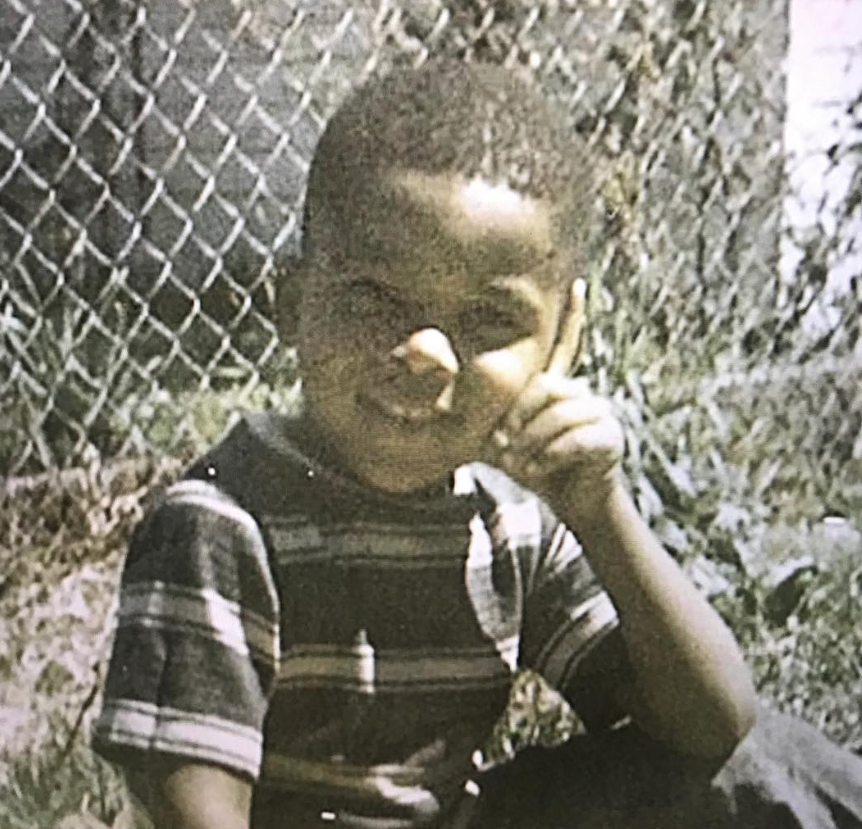
Despite the accolades, Perry’s interior life was shaped by a “darker reality.” He has been candid about the fact that his childhood was a period of sustained fear and mistreatment at the hands of his father. Appearing on The Oprah Winfrey Show, Perry broke his silence on the harrowing experiences that formed the man he is today.
The Impact of Domestic Violence
Perry recalled a home environment where he never felt safe. He described his father as a man prone to sudden, explosive bouts of violence. One of the most haunting memories Perry shared involved being cornered in a room and struck repeatedly with a vacuum cleaner cord.
“To this day, I don’t know why he did it,” Perry told Oprah. “He would just not stop. There were all these welts… I had to wait for him to go to sleep.”
The severity of the physical discipline was so extreme that Perry recalled blacking out for three days following one particular incident. He characterized his father’s behavior as a series of “mind games” designed to keep the young boy in a state of constant, paralyzing anxiety.
Navigating Multiple Traumas
The physical violence at home was only one facet of a multi-layered struggle. Perry has also bravely disclosed that he was a victim of various forms of misconduct and boundary violations by several adults during his formative years. He recounted incidents occurring as early as age five or six, involving neighbors and figures of trust within his community.
One particularly confusing aspect for the young Perry was the physiological reaction of his own body during these unwanted encounters. He described feeling a sense of betrayal by his own biology, which added a layer of deep-seated shame to the trauma he was already enduring. These experiences, he noted, gave him a heavy “burden to carry” into adulthood.
The Breaking Point and the Path to Faith
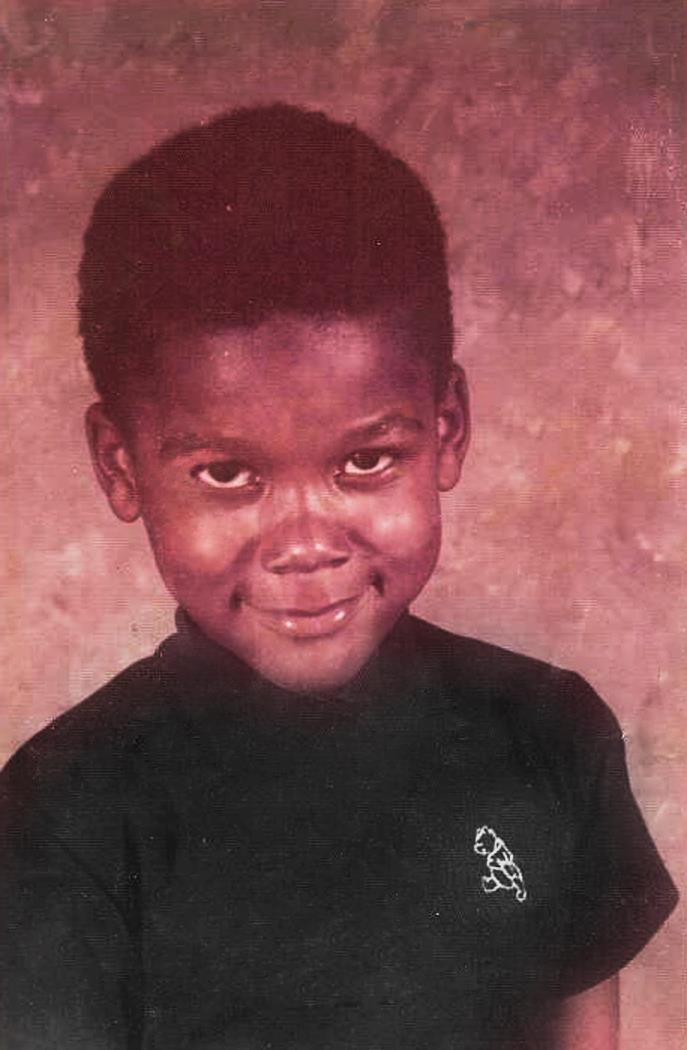
The weight of the mistreatment became so overwhelming that, as a young man, Perry reached a point of absolute despair. He admitted to attempting to take his own life, questioning the very point of existence in a world that had treated him so cruelly.
He credits his mother, Willie Maxine Perry, as his “saving grace.” She provided the only sanctuary he knew, often taking him to church. It was there, watching his mother find peace and joy in the choir, that Perry began to seek a higher purpose.
“If I had not had that faith in my life, I don’t know where I would be right now,” he reflected.
This spiritual foundation became the bedrock of his later work, as many of his plays and films center on the themes of forgiveness, divine intervention, and the strength of the maternal figure.

From Homelessness to the Hollywood A-List
The transition from a traumatized youth to a global superstar was not instantaneous. After dropping out of high school, Perry worked a series of odd jobs—hotel clerk, bill collector, car salesman—all while funneling every cent he earned into his creative dreams.
In 1992, he moved to Atlanta and used his life savings to stage his first musical, I Know I’ve Been Changed. The show was a financial disaster. For the next several years, Perry faced the brutal reality of being “broke and homeless.”
Life in a Geo Metro
For three months, Perry lived out of his car—a Geo Metro—trying to keep it hidden from the repossession man while he worked on his scripts. He recalled the indignity of washing himself in mall bathrooms and the sheer exhaustion of trying to convince the world of his vision while having nowhere to sleep.
The breakthrough finally came in 1998, when a reworked version of his play finally caught fire. The audience he had been cultivating for years showed up in droves, and the “Tyler Perry phenomenon” was born.

A Legacy of “Triumph over Tragedy”
Today, Tyler Perry is not just a billionaire; he is a philanthropist dedicated to ensuring that others do not have to endure the same lack of support he faced. Through The Perry Foundation, founded in 2006, he focuses on transforming tragedy into triumph. He supports community initiatives, provides individual potential “seeds,” and works toward sustainable social change.
The “Puppet Master” Philosophy
In reflecting on his past, Perry uses the metaphor of a “puppet master.” He explained to Oprah that survivors of mistreatment often have “strings” held by those who hurt them, dictating their behaviors and self-worth.
“What I started to do is untie the strings and chase them down to where they came from. I was able to free myself and understand that even though these things happened to me, it was not me.”
This philosophy of self-accountability and healing is at the heart of his public persona. He views his wealth not just as a reward for his talent, but as a tool for service. “When you’ve been given a lot, you have to do a lot,” he famously stated.
Conclusion: A Global Inspiration
Tyler Perry’s life story serves as a stark reminder that the human spirit is capable of incredible endurance. Every child deserves to feel safe, yet Perry’s narrative shows that even when safety is stripped away, it is possible to reclaim one’s life and build something magnificent.
His legacy is not just the movies he made or the studio he built; it is the courage he displayed in shedding light on the horrors of his past to help others find their own path to freedom. Tyler Perry remains a profound inspiration—a man who turned the darkest chapters of his life into a beacon of hope for the world.