
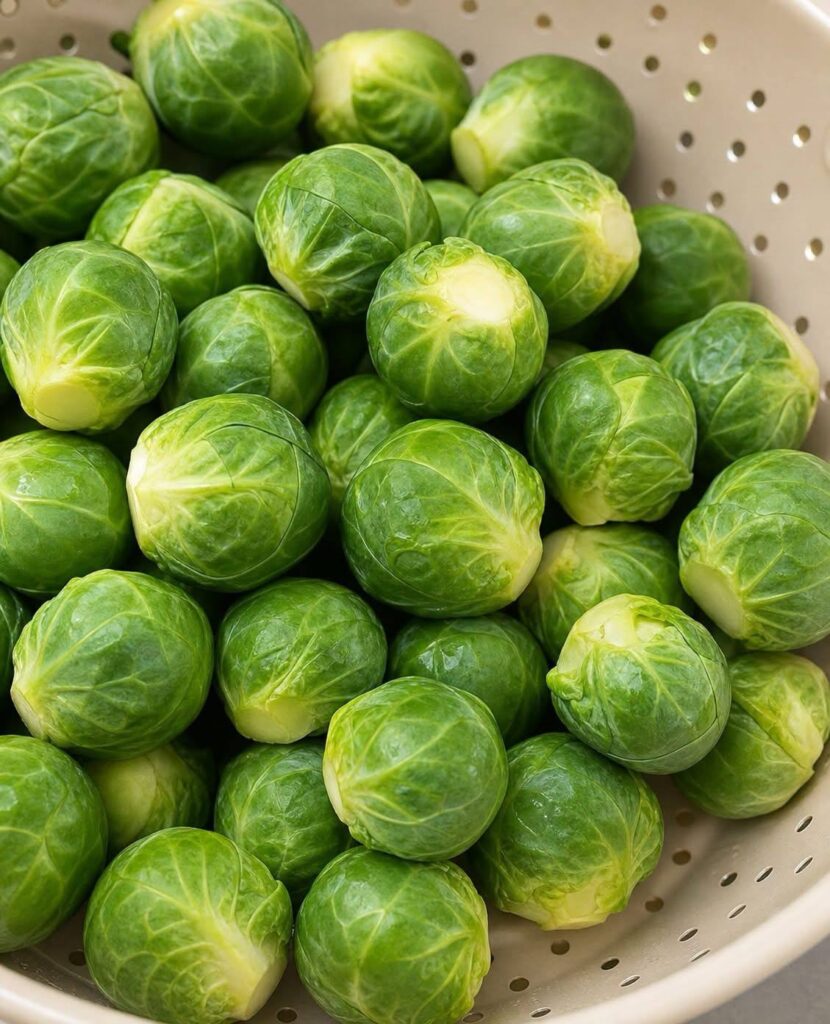
They were the punchline of every childhood dinner. A soggy, sulfurous punishment on a plate. Yet now, the same vegetable stars on trendy menus, crackling and caramelized, ordered by people who once swore they’d never touch it again. What changed? Not the plant. Our entire approach to cooking and flavor did. The vilified spr… Continues…
For decades, Brussels sprouts were ruined long before they reached the table. Long boiling magnified every harsh note, flooding kitchens with sulfurous steam and leaving behind limp, grayish orbs that confirmed every child’s suspicion. The vegetable itself was never the villain; it was a method that stripped away texture, sweetness, and nuance, then forced the worst version onto captive diners who had no say in how it was prepared.
Modern cooking gave sprouts a second life. High heat, dry surfaces, and enough space on the pan allow them to brown instead of steam, revealing a nutty sweetness under the bitterness. Paired with lemon, garlic, mustard, nuts, or a little bacon, they become complex rather than overwhelming. Raw and shaved, they bring crunch to salads; lightly steamed, they stay bright and firm. They’re not a miracle cure or a moral test—just one more ingredient that deserves to be cooked with care before it’s judged.