
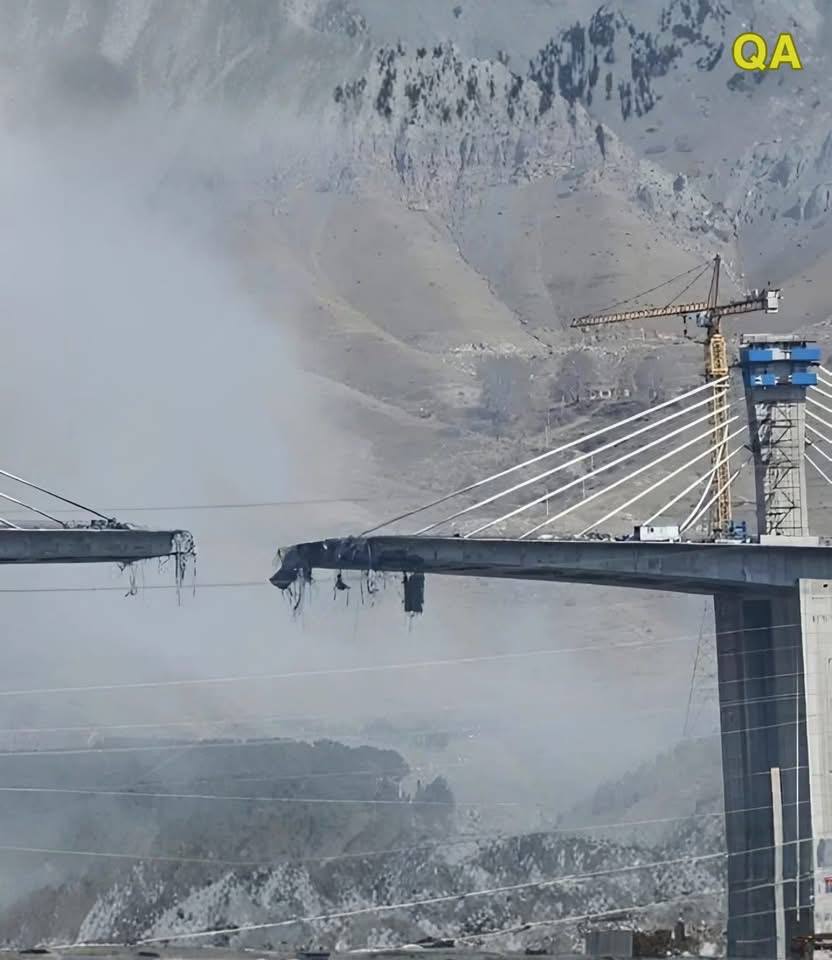
The geopolitical landscape of the Middle East, a region long defined by a delicate balance of power and high-stakes diplomacy, shifted significantly following a precision strike authorized by the United States. The operation, targeting a partially constructed bridge near Karaj, Iran, has become the focal point of intense international debate. While the media cycle has been flooded with varying interpretations of the event, a deep dive into the military logic, the legal frameworks of modern engagement, and the strategic fallout reveals a calculated move designed to alter the logistical reality of the region.
As of April 2026, the bridge—intended to span a critical gap between the industrial hub of Karaj and the capital city of Tehran—sits as a fractured monument to the ongoing friction between Washington and Tehran. To understand why this specific piece of infrastructure became a priority for U.S. military planners, one must look past the concrete and steel to the strategic intent of the “Firm” in the West.
1. The Target: A Logistical Choke Point
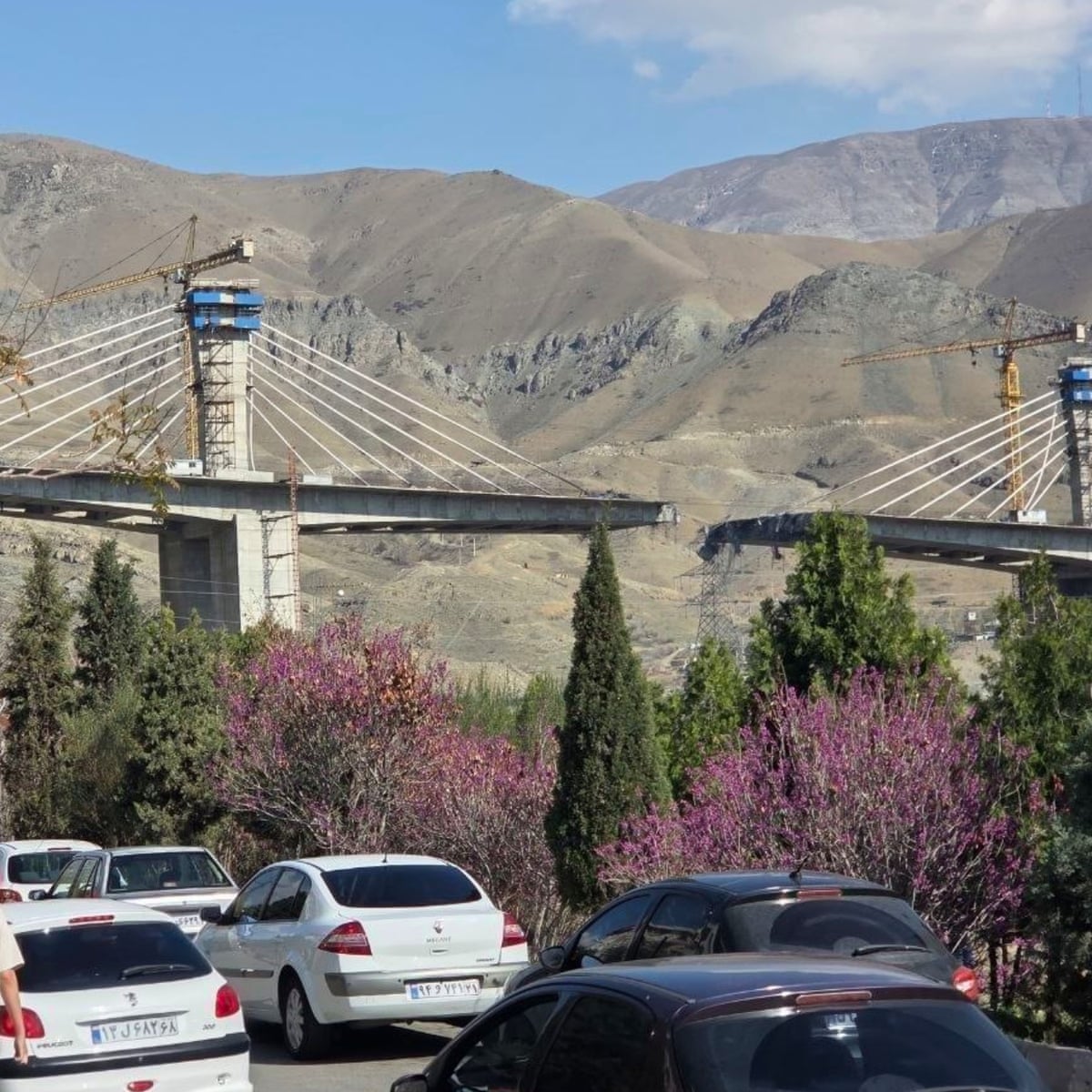
The bridge in question was not a bustling civilian thoroughfare at the time of the strike. In fact, it was only partially completed and had not yet been integrated into the public transport network of the Alborz Province. However, according to intelligence briefings, its utility to the Islamic Revolutionary Guard Corps (IRGC) was already being realized.
Military analysts emphasize that in modern statecraft, “infrastructure” is a dual-use term. While a bridge can carry commuters, it can also carry mobile missile launchers. The Karaj-Tehran corridor is a vital artery for the Iranian military’s domestic movement. By authorizing the strike, the administration sought to achieve three primary tactical objectives:
- Interdiction of Heavy Hardware: The bridge was reportedly designed with the structural integrity required to support the transport of ballistic missile canisters and heavy drone launch platforms.
- Rapid Troop Deployment: Disrupting this route significantly increases the transit time for ground forces moving between the interior military bases and the strategic perimeters of the capital.
- Logistical Fragmentation: By breaking this link, the U.S. effectively forced Iranian military logistics into older, more congested, and more easily monitored civilian routes, thereby increasing the transparency of their movements.
The Legality of the Strike
Critics on the international stage were quick to raise questions regarding the “proportionality” of the action. However, military legal experts point to the Law of Armed Conflict (LOAC), which stipulates that infrastructure becomes a legitimate military objective if it makes an effective contribution to military action and its destruction offers a definite military advantage. Because the bridge was being utilized for the staging of drones and missiles—assets that have been used to threaten regional stability—it moved from “civilian project” to “military target” in the eyes of U.S. planners.
2. Impact Assessment: Casualties and Collateral Damage
Any kinetic operation in a contested region carries a human cost. Iranian state media reported eight fatalities and approximately 100 injuries following the precision strike. While any loss of life is a matter of profound gravity, Western analysts have noted the “surgical” nature of the hit.
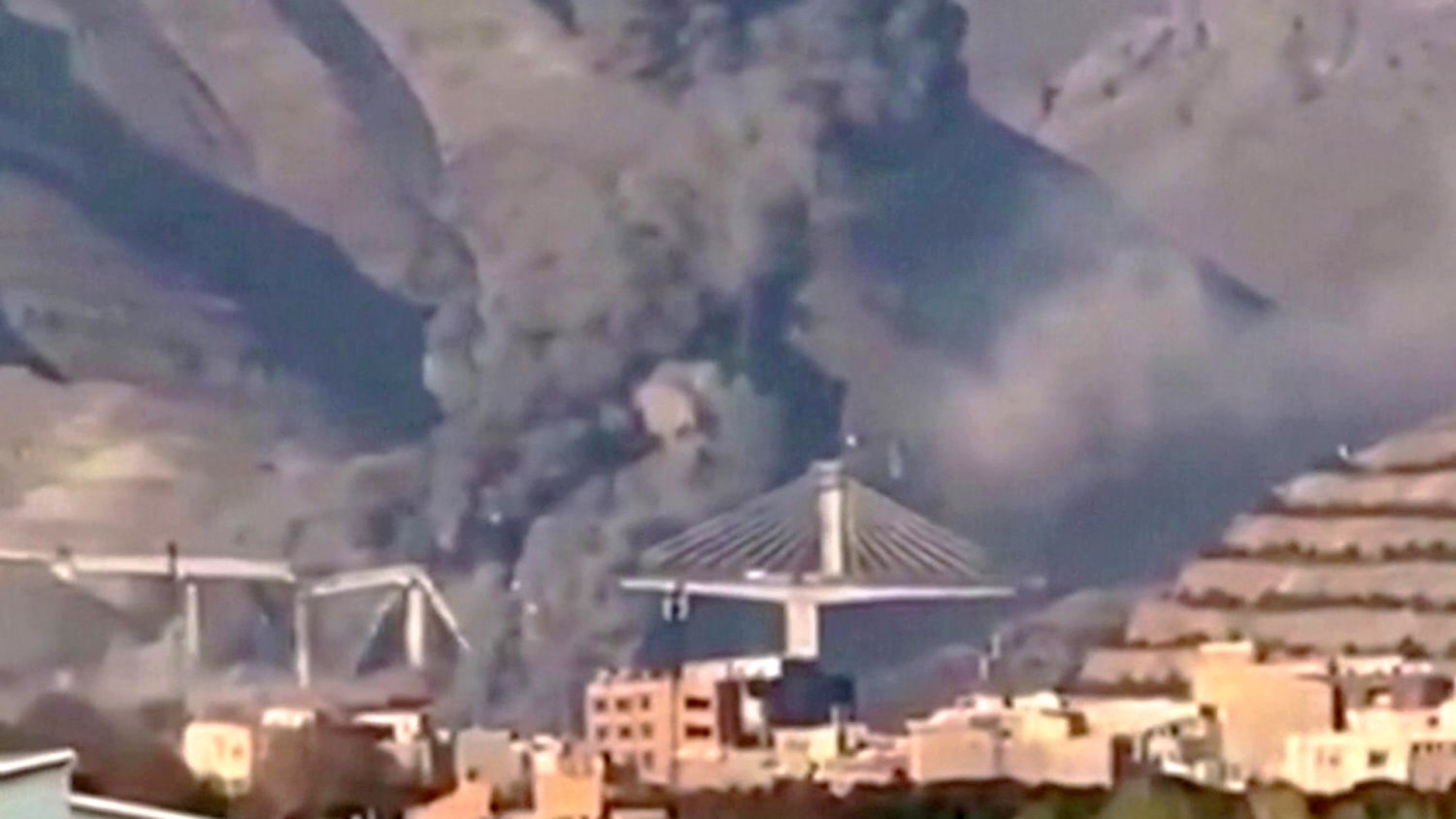
The strike utilized Precision-Guided Munitions (PGMs), specifically designed to collapse the spans of the bridge while minimizing the “blast radius” that would affect nearby residential areas. Footage released in the aftermath shows a clean break in the center of the structure, leaving the surrounding landscape largely untouched. This stands in stark contrast to “carpet bombing” tactics of the past, reflecting a modern commitment to minimizing collateral damage even when striking high-value targets within sovereign territory.
3. The Context: Iran’s Expanding Military Footprint
The strike did not occur in a vacuum. It is the latest chapter in a long-running effort to deter Iran’s regional ambitions. For years, the international community has expressed growing concern over several key pillars of the Iranian military strategy:
- The Drone Proliferation: Iran has become a global leader in low-cost, high-impact Unmanned Aerial Vehicles (UAVs), which have been deployed in various regional theaters to bypass traditional air defenses.
- The Missiles of Karaj: The Alborz region is home to several facilities associated with the development of liquid-fueled and solid-fueled rockets. The bridge was seen as the literal “exit ramp” for these weapons.
- Asymmetric Positioning: Iranian forces have been noted for placing military assets in close proximity to civilian infrastructure—a tactic often referred to as “human shielding.” By striking the bridge while it was still under construction and relatively clear of non-combatants, the U.S. chose a window that reduced the risk to the general population.
4. International Reactions: A Polarized Response
The global response to the Karaj strike has mirrored the existing divisions in the UN Security Council and beyond.
- Regional Allies: Nations in the Gulf and Israel have largely viewed the strike as a necessary “reset” of deterrence. For these countries, Iranian logistical freedom translates directly into a higher threat level for their own borders.
- The Critics: Some humanitarian organizations and foreign policy “doves” argue that any strike inside Iranian borders is an escalation that risks a broader, uncontained conflict. They contend that the strike could provide a domestic “rally-around-the-flag” effect for the Iranian leadership.
- The Analysts: Independent defense thinkers suggest the strike was a “message in a bottle.” It wasn’t intended to start a war, but to show that the U.S. possesses the intelligence and the will to strike deep inside the country with extreme accuracy.
5. The Deterrence Factor: A New Red Line?
In the specialized language of geopolitics, the Karaj strike is what experts call a “Gray Zone” operation. It is an act of force that sits below the threshold of all-out war but above the level of standard diplomatic sanctions. By authorizing this strike, the U.S. has established a new “Red Line” regarding Iranian logistical expansion.
The message is clear: Infrastructure that is built specifically to facilitate the threat of regional violence is not “off-limits.” This creates a psychological burden for Iranian planners. They must now consider whether their multi-billion dollar construction projects will be allowed to reach completion if they are designated for IRGC use.
)
6. Looking Ahead: The Path to Diplomacy
The ultimate goal of such military actions is rarely total destruction. Instead, they are tools of Coercive Diplomacy. By limiting Iran’s ability to move its most dangerous equipment easily, the U.S. is attempting to change the “cost-benefit analysis” for the leadership in Tehran.
As we move through the spring of 2026, the focus will likely shift from the ruins of the Karaj bridge to the diplomatic backchannels in Oman or Switzerland. History shows that significant shifts in military reality often precede significant shifts in diplomatic posture. If Iran finds its logistical routes compromised, it may find the prospect of a renewed nuclear or regional security deal more appealing than it was six months ago.

Conclusion: The Precision of Power
The Karaj strike highlights the intricate and often brutal complexity of modern military strategy. In a world where information is instant and every action is scrutinized by a global audience, the “Firm” in Washington has opted for a path of high-precision, high-impact intervention.
The bridge near Karaj was more than just a path for vehicles; it was a symbol of Iran’s military reach. Its partial collapse serves as a reminder that in 2026, air superiority and intelligence remain the ultimate arbiters of regional power. While the loss of life and the damage to infrastructure are somber realities, the strike was a calculated effort to prevent a much larger and more destructive conflict in the future.
As monitored diplomatic engagement continues in the coming weeks, the world waits to see if this “precision of power” will lead to a period of renewed tension or, perhaps, the first genuine opening for a lasting regional peace.
Strategic Takeaway: Modern warfare is increasingly about the “Logistical Battlefield.” By targeting the ability to move, rather than just the ability to fire, the U.S. has utilized a strategy that aims to “freeze” a conflict rather than “inflame” it. The effectiveness of this approach will be judged by the silence of the drones and the progress of the diplomats in the months to follow.