‘Look Out Your Window’: Trump Warned Iranians Before Massive Bridge Destroyed
The geopolitical landscape of West Asia shifted dramatically this week following a high-stakes military intervention that has reignited debates over international law, strategic objectives, and the price of failed diplomacy. During a press conference on Monday, President Donald Trump confirmed that he authorized a targeted strike against a major piece of infrastructure in Iran, a move he described as a direct response to a breakdown in high-level negotiations.
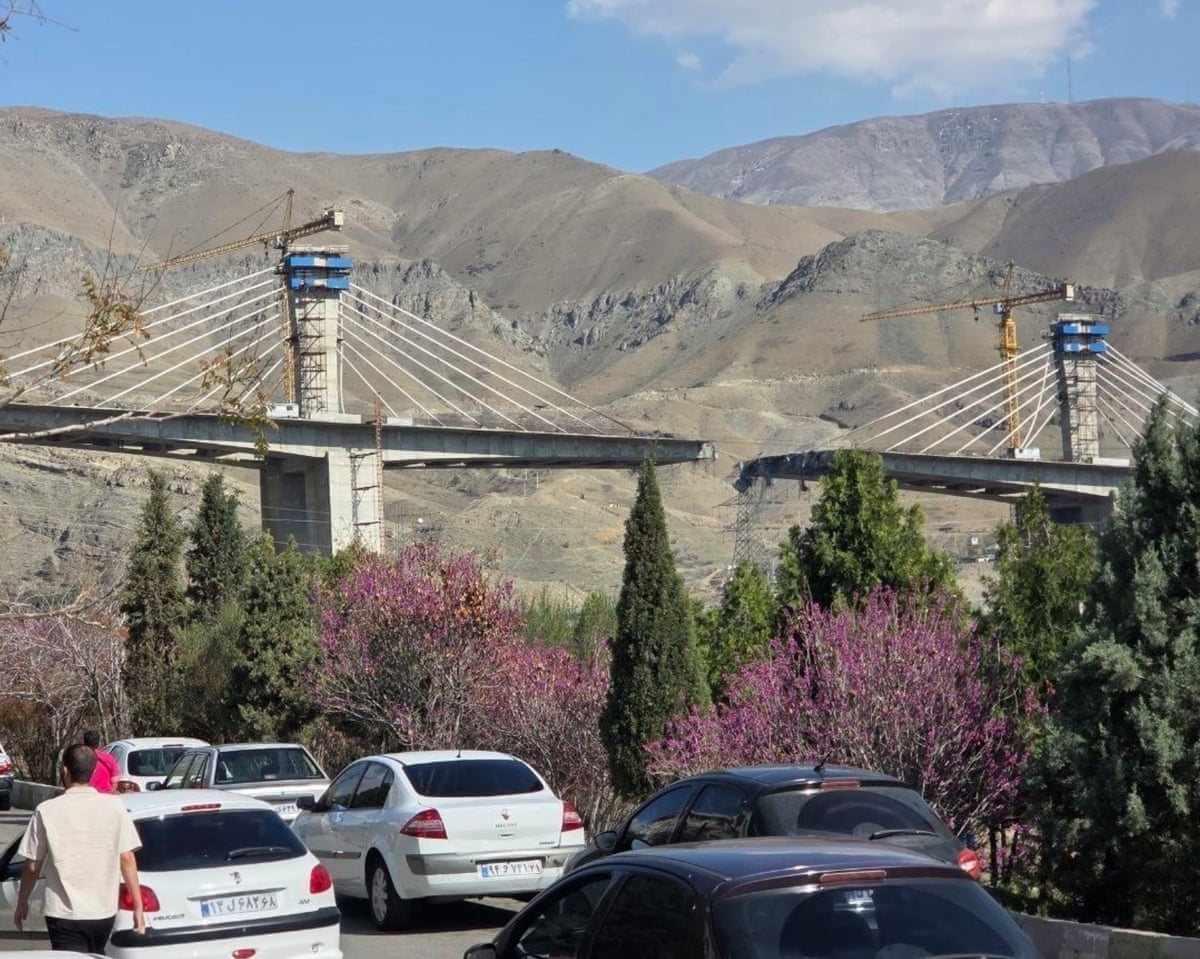
The target was the B1 Bridge in the city of Karaj, a massive engineering project that had been nearing completion. According to U.S. and international reports, the strike occurred last Thursday, resulting in the total destruction of the span. As the dust settles, the international community is grappling with the implications of a presidency that appears increasingly willing to use hard power to force a diplomatic resolution.
The Breaking Point in Diplomacy
According to the President, the decision to strike the bridge was not a first resort but the result of a sudden collapse in communication between Washington and Tehran. A U.S. negotiating team, led by Vice President JD Vance, had reportedly been “very close to a deal” that would have seen a cessation of hostilities and the reopening of vital shipping lanes.
However, during his Monday address, Trump revealed that he received word that Iranian negotiators had begun to walk back on previously agreed-upon terms.
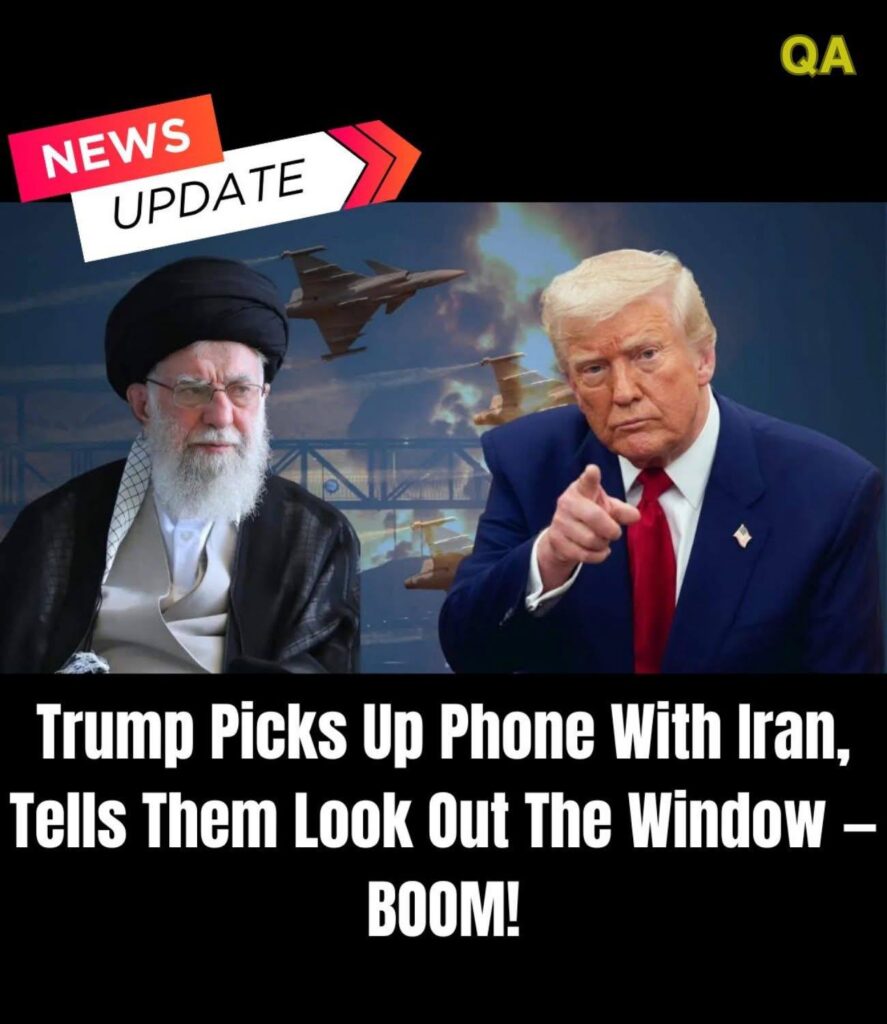
“I told our team, that’s okay. Don’t worry about it,” the President told reporters. “But tell them to look out their window and watch.”
The President stated that within 45 minutes of the diplomatic stall, he issued the command to neutralize the bridge. Ten minutes after the order reached the tactical level, the infrastructure was gone. The speed of the response was intended to serve as a vivid demonstration of U.S. military reach and a warning that the window for a negotiated settlement is closing.
Strategic Justification and International Criticism
The destruction of the B1 Bridge has become a lightning rod for debate. U.S. military officials have defended the strike, categorizing the bridge as a legitimate military target. They argue that the span was designed to facilitate the rapid movement of heavy weaponry and military assets from central Iran to its western borders, thereby enhancing the country’s defensive and offensive war-making capabilities.
On the other hand, the strike has drawn sharp condemnation from Congressional Democrats and various international legal experts. Critics point to the Geneva Convention and international protocols that prohibit the deliberate targeting of civilian infrastructure. They argue that because the bridge was intended for public transit and was located in a metropolitan area, its destruction constitutes a violation of international humanitarian law.
Reports from Iranian sources added a layer of human tragedy to the event, claiming that civilians had gathered near the site to mark the final day of Nowruz, the Persian New Year. While the U.S. maintains that the strike was precision-guided to minimize collateral effects, initial reports suggested that at least eight people were killed and nearly 100 others injured. Independent verification of these casualty figures remains difficult due to the ongoing conflict and limited access for international observers.
The Digital Warning: “It is Time to Make a Deal”
Following the strike, President Trump took to his Truth Social platform to share footage of the bridge’s collapse. His message was unambiguous, framing the military action as a precursor to even larger operations if a deal is not reached.
The Message: “The biggest bridge in Iran comes tumbling down… IT IS TIME FOR IRAN TO MAKE A DEAL BEFORE IT IS TOO LATE.”
The Goal: The administration’s stated objective is to pressure Tehran into a “lasting peace” that includes the full reopening of the Strait of Hormuz to civilian shipping and oil tankers.
Earlier in the week, Trump claimed that U.S. and Israeli actions had significantly degraded Tehran’s strategic capabilities. He asserted that “core strategic objectives” are nearing completion and that the U.S. would continue to hit targets “extremely hard” over the coming weeks to “finish the job.”
The Iranian Response and the Strait of Hormuz
The response from Tehran has been one of defiance rather than concession. By Tuesday morning, reports indicated that the Iranian government had rejected all U.S. demands for a ceasefire. One of the primary sticking points remains the Strait of Hormuz, a vital chokepoint through which approximately 20% of the world’s oil consumption passes.
The U.S. has demanded the unconditional reopening of the strait to all shipping traffic. In contrast, a senior Iranian source told Reuters that any future settlement must leave Iran in control of the waterway, allowing them to impose transit fees on vessels.
Tehran has also escalated its rhetoric, warning that it will no longer refrain from targeting the infrastructure of neighboring Gulf states that support U.S. operations. Reports have already surfaced of fresh strikes on industrial facilities and shipping vessels in the Gulf, signaling that the conflict could quickly broaden into a regional crisis involving major energy producers like Saudi Arabia.
“Talks on a lasting peace could begin only after the U.S. and Israel end their strikes, provide a guarantee they will not resume, and offer compensation for damages,” the Iranian source stated.
The Looming Deadline
The situation has reached a critical juncture as President Trump issued a firm deadline. He warned that if an agreement regarding oil transit through the Strait of Hormuz is not reached, the U.S. is prepared to initiate large-scale strikes on broader Iranian infrastructure, including power plants and additional transport hubs.
The deadline, reportedly set for 8 p.m. Eastern Time, has put the world’s energy markets on edge. The prospect of “widespread strikes within hours” of a failed negotiation suggests that the current administration is pursuing a policy of “maximum pressure” with a level of kinetic military involvement not seen in previous years.
A Presidency Defined by “Winning”
Throughout his addresses on Monday and Tuesday, Trump returned to a familiar theme: American strength. He characterized the current military campaign as evidence that “America is winning,” framing the conflict as a struggle between a resurgent U.S. and “enemies who are losing.”
However, the cost of this “winning” remains a subject of intense scrutiny. As the 2-3 week window for intensified operations begins, the questions facing the administration are numerous:
Can military force truly compel a diplomatic signature?
What are the long-term consequences of targeting dual-use infrastructure?
Will regional allies be drawn into a retaliatory cycle that destabilizes the global economy?
Conclusion: The Shadows of Karaj
The ruins of the B1 Bridge in Karaj stand as a silent testament to the failure of the previous “deal” and the onset of a more aggressive phase of U.S. foreign policy. For the residents of Iran, it is a reminder of the fragility of their daily lives in the face of superpower conflict. For the world, it is a sign that the “art of the deal” has, for the moment, been replaced by the “art of the strike.”
As the clock ticks toward the President’s deadline, the eyes of the world are fixed on the Strait of Hormuz and the skies over Tehran. The path forward is obscured by smoke and rhetoric, and the line between a “great country” and “nothing left” has never seemed thinner.
The coming hours will determine whether this conflict moves toward the “lasting peace” the administration claims to seek, or into a wider conflagration that could reshape the Middle East for decades to come.