
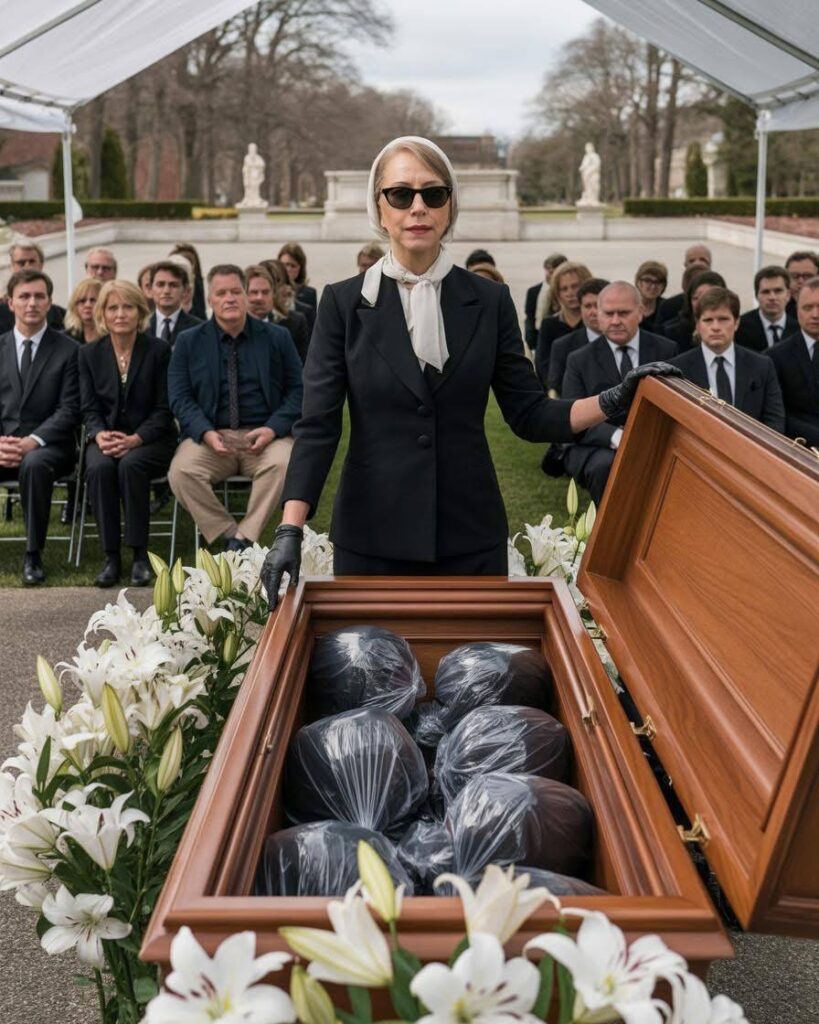
She had spent a lifetime reading what others refused to see: hairline fractures in concrete, barely-there warps in steel, the quiet warnings that came before disaster. So when doctors shrugged, lawyers smiled, and her sister spoke in rehearsed phrases about “closure” and “efficiency,” she recognized the same pattern—pressure carefully applied, evidence quickly buried, and a structure pushed just far enough to fail for profit. Grief was supposed to make her compliant. Instead, it made her methodical.
She documented everything. The altered dosages. The sudden new “friend” with access to their mother’s bedside. The banker’s eagerness. She built a case the way she’d once rebuilt timelines after collapses: piece by piece, until intention was undeniable. Walking into her own funeral wasn’t revenge; it was proof. Faced with recordings, witnesses, and a mother who had finally been allowed to wake, the scheme crumbled. What remained was brutal but clean: a family forever changed, yet finally standing on something that wouldn’t give way.