
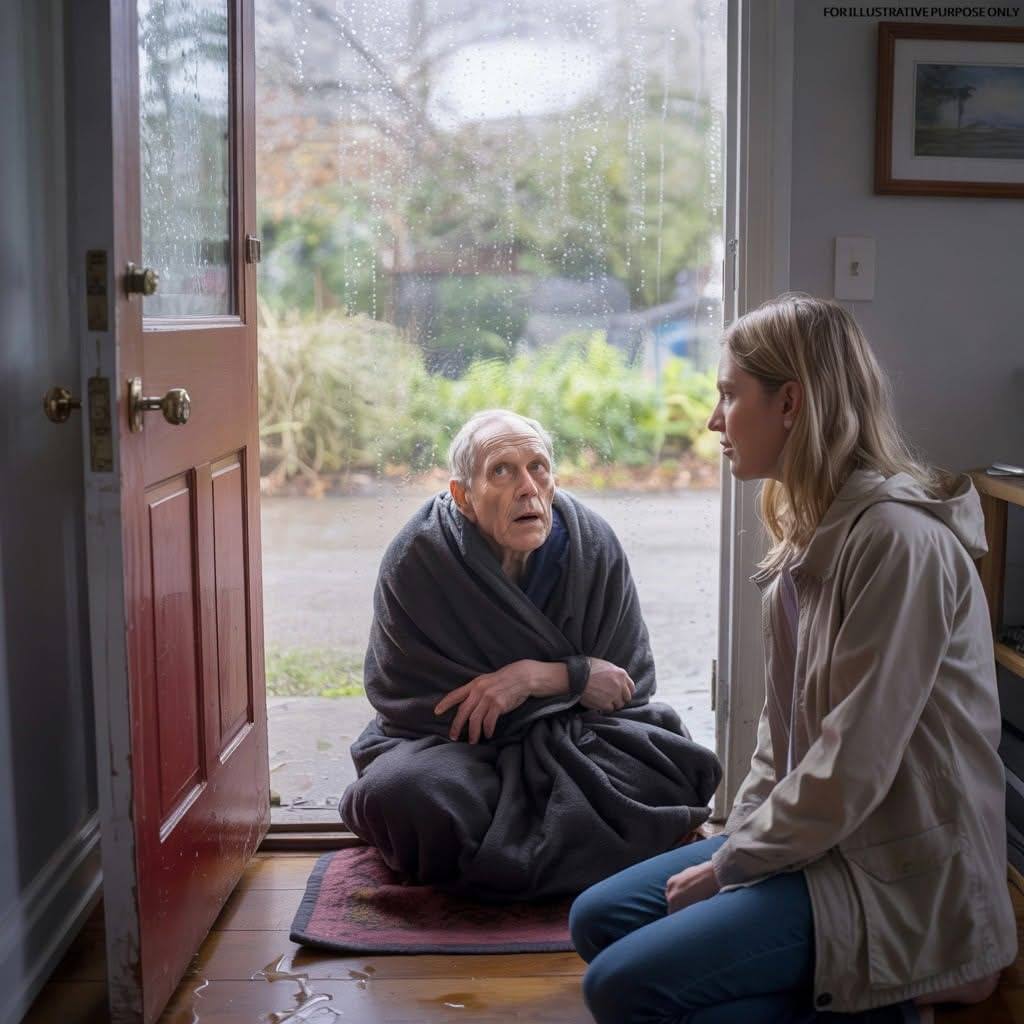
The house reeked of betrayal long before I opened the bedroom door. The air felt staged, like someone had wiped down the guilt but left the rot. Victor’s breath rattled in the shadows, his skin a map of neglect no one had bothered to read. Their cruise updates kept pinging his silent phone, each filtered smile another knife. I saw the untouched meals curdling on the counter, the unpaid bills stacked like accusations, and I understood: this wasn’t oversight; it was abandonment dressed as vacation. When he gripped my wrist and begged me not to let them bury the truth with him, I felt something lock into place. I wasn’t family. I wasn’t even supposed to be there that long. But I opened my notebook, raised my camera, and decided I would document every inch of this quiet, calculated bru…
I started with the small betrayals—the unanswered messages, the auto-declined card at the pharmacy, the note from the neighbor who’d heard him calling out three nights in a row. Each detail was a thread, and as I pulled, the tapestry of their cruelty unraveled. His daughter’s Instagram showed champagne by the pool at the exact hour his fever spiked; his son’s emails confirmed they’d seen the hospital alerts and muted them. Victor watched me work with a mix of shame and relief, as if confessing to a crime he hadn’t committed. When he whispered the password to the hidden folder on his laptop, I found years of careful bookkeeping, messages begging them to visit, and a draft letter he’d never sent, asking if they planned to leave him to die alone. The trust documents were pristine, a fortune waiting for heirs who’d already abandoned him. That night, with the oxygen machine hissing like a metronome, he asked me to call a mobile notary. His hands shook as he signed, but his eyes were steady, fixed not on the past, but on the faint outline of a different futu…
The will reading was a slow-motion collision. They arrived sunburned and polished, cruise bracelets still dangling from their wrists like proof of alibis that hadn’t been asked for. I sat in the corner, anonymous but unflinching, Victor’s files in a neat stack at my feet. When the attorney announced that the $3 million trust, the house, and all remaining assets were being transferred to a foundation in Victor’s name—administered by me—the room seemed to lose oxygen. His daughter laughed first, a brittle, disbelieving sound, until the attorney slid the amended will across the desk. Their objections cracked against the dates, the signatures, the notarized statements, and the photos I’d taken: time-stamped neglect against time-stamped indulgence. By the time the cruise selfies appeared on the big screen, aligned with hospital logs and unanswered calls, their outrage had thinn…
They threatened lawsuits, of course, but the paper trail was a fortress. The state opened an investigation; elder abuse statutes they’d never bothered to learn suddenly had teeth. Their colleagues distanced themselves; partnerships dissolved; invitations vanished. I used the inheritance exactly as Victor had asked in those final, rasped conversations: his house became a respite home, his money a lifeline for others left to fade behind closed doors. We trained volunteers to see what I had seen in his too-quiet rooms, to recognize the bruises you can’t photograph. On the first anniversary of his death, we planted a rose bush in the garden he’d once tended alone. I slipped his wedding band, now threaded on a thin silver chain, beneath my collar and read the plaque bearing his name. The family he’d birthed lost their claim to his story; the family he chose carried it forward. In the end, his silence did not protect them. It condemned them—and set everyone else free.