
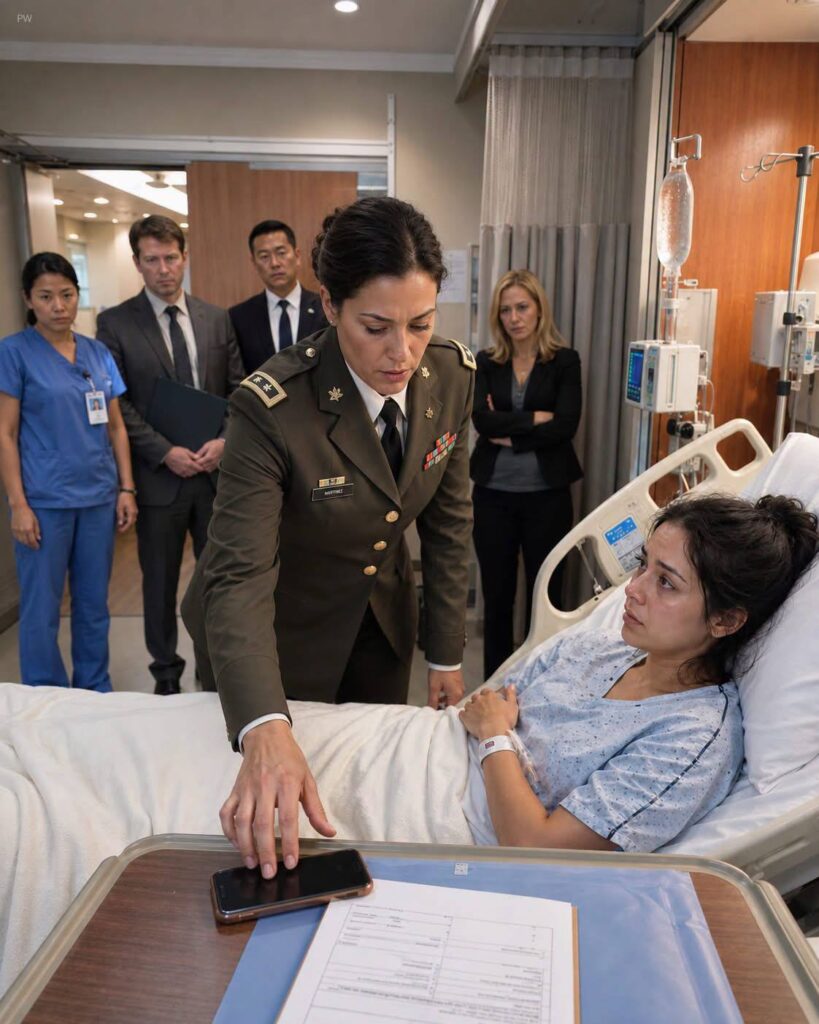
My daughter’s voice shattered my life in a single call. By the time I reached the hospital, the Bennetts were already smiling like they owned the building, my bruised child just another problem to be managed. They thought money, lawyers, and threats would bury what they’d done. They didn’t know I’d walked in with a timeline, witnesses, and a silent detonat… Continues…
The Bennetts had spent years rehearsing their roles: the indulgent husband, the reasonable parents, the family that always knew best. They relied on the same old script—she’s dramatic, it’s a misunderstanding, let’s keep this private—never imagining someone had entered the scene already documenting every lie. The hospital room became a battlefield they couldn’t control: intake forms, photographs, timestamps, professionals who treated my daughter not as an inconvenience, but as a patient with rights. Their power frayed the moment it met a paper trail and a mother who refused to be baited into rage.
What mattered most was not my rank or their money, but Emily’s cracked, defiant “I want them out.” That sentence turned bystanders into witnesses, policy into a shield. Survival did not look like victory; it looked like locksmiths at midnight, passwords changed, orders signed in shaky ink. It looked like choosing daylight over secrecy, process over revenge. I could not speak the words that freed her, only clear the way: every call answered, every detail written down, every threat met with documentation instead of fear. In the end, the Bennetts walked out with less than they came in with—their certainty gone, their access severed—and my daughter walked into a life they never planned for her: one where her voice, not their influence, drew the line.