
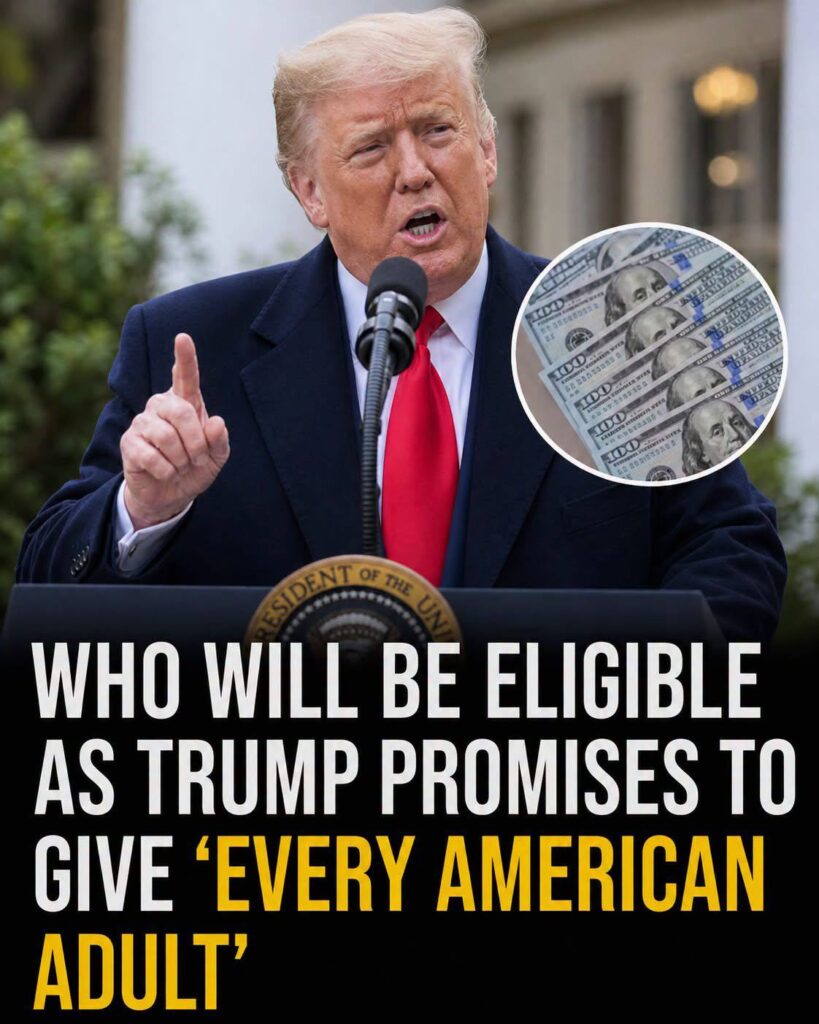
Americans are being tempted with cash. Real money, promised straight into their bank accounts. But the price of that promise could reshape an election – and test the limits of the law. As Trump dangles $5,000 per adult, experts warn of staggering costs, legal gray zones, and consequences no one can ful… Continues…
Trump’s $5,000 “dividend” pitch lands at the exact intersection of fear, hope, and exhaustion. Millions are still straining under high prices and stagnant wages, so the idea of instant relief is powerful. Yet behind the applause line lies a thicket of unanswered questions: how to fund a trillion‑dollar payout, how to pass it through a divided Congress, and how to defend it against accusations of buying an election. Legal scholars note that broad promises of tax cuts or rebates are common, but tying a specific cash windfall to a specific electoral outcome pushes into perilous territory.
Even if it were legal and financially viable, the logistics are daunting. Who qualifies, how fast the money arrives, and whether it truly boosts the economy or just deepens the national debt would all matter. For now, the “Trump Dividend” is less a policy than a test: of voters’ trust, of institutions’ limits, and of how far American politics is willing to go in turning raw economic anxiety into leverage at the ballot box.