
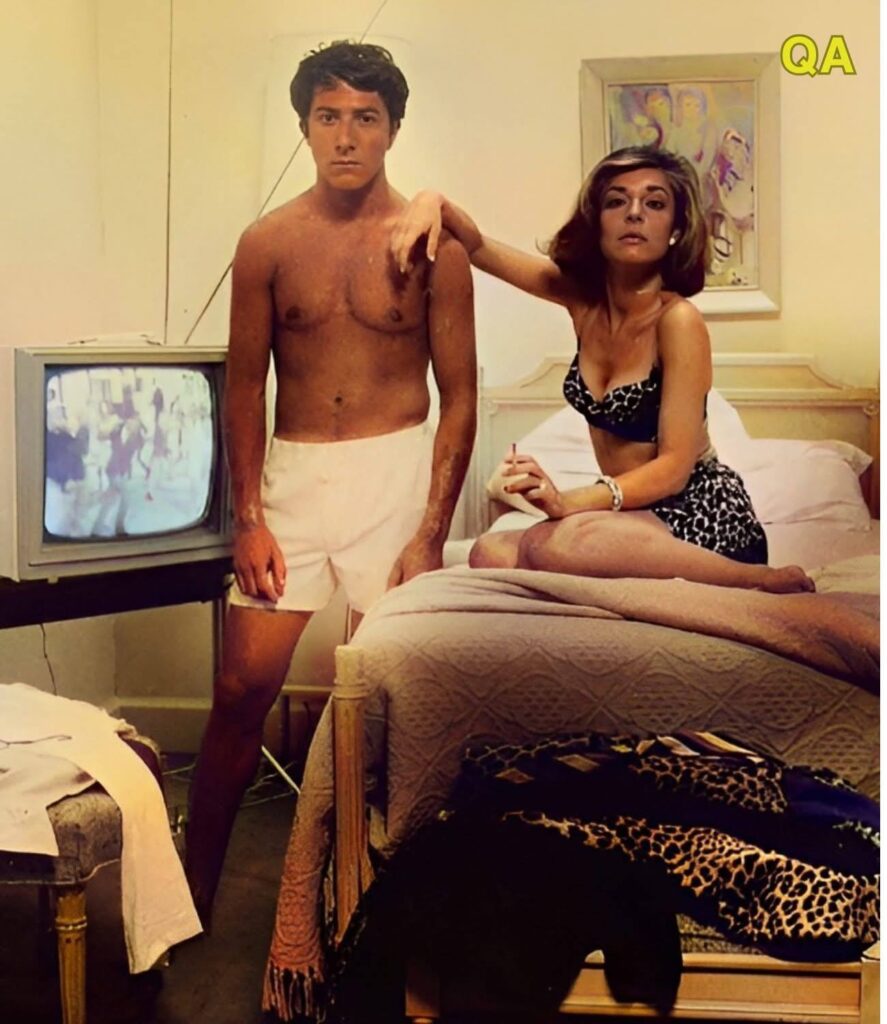
The 1960s was a decade defined by seismic shifts in culture, music, and social mores. At the center of this cinematic revolution stood The Graduate, a film that became an instant sensation and left an indelible mark on global audiences long before modern terms for age-gap romances even entered the lexicon.
Anne Bancroft delivered a career-defining performance, masterfully balancing sophistication, allure, and a simmering emotional complexity. Opposite her, Dustin Hoffman’s portrayal of awkward innocence made the film both profoundly relatable and sharply comedic. Legendary moments, such as the iconic line, “Mrs. Robinson, you’re trying to seduce me, aren’t you?” have since become part of the collective cultural consciousness.
Yet, even a masterpiece of this caliber was not without its secrets, bloopers, and fascinating behind-the-scenes stories. From casting snubs to accidental improvisations that made the final cut, the story of how The Graduate was made is as compelling as the film itself.
A Snapshot of a Changing World
The Graduate arrived in theaters in 1967, a year defined by the height of Beatlemania and the growing fervor of the Vietnam War protests. As the “flower power” movement took hold, young people began to radically question authority, traditional social norms, and the nature of relationships.
Director Mike Nichols captured this “lightning in a bottle,” creating a brilliant snapshot of a generation caught between the rigid expectations of their parents and an uncertain, rebellious future. Nearly sixty years later, the film’s legacy continues to evolve as new details emerge about its production.
The Window Cleaner Who Became a Star
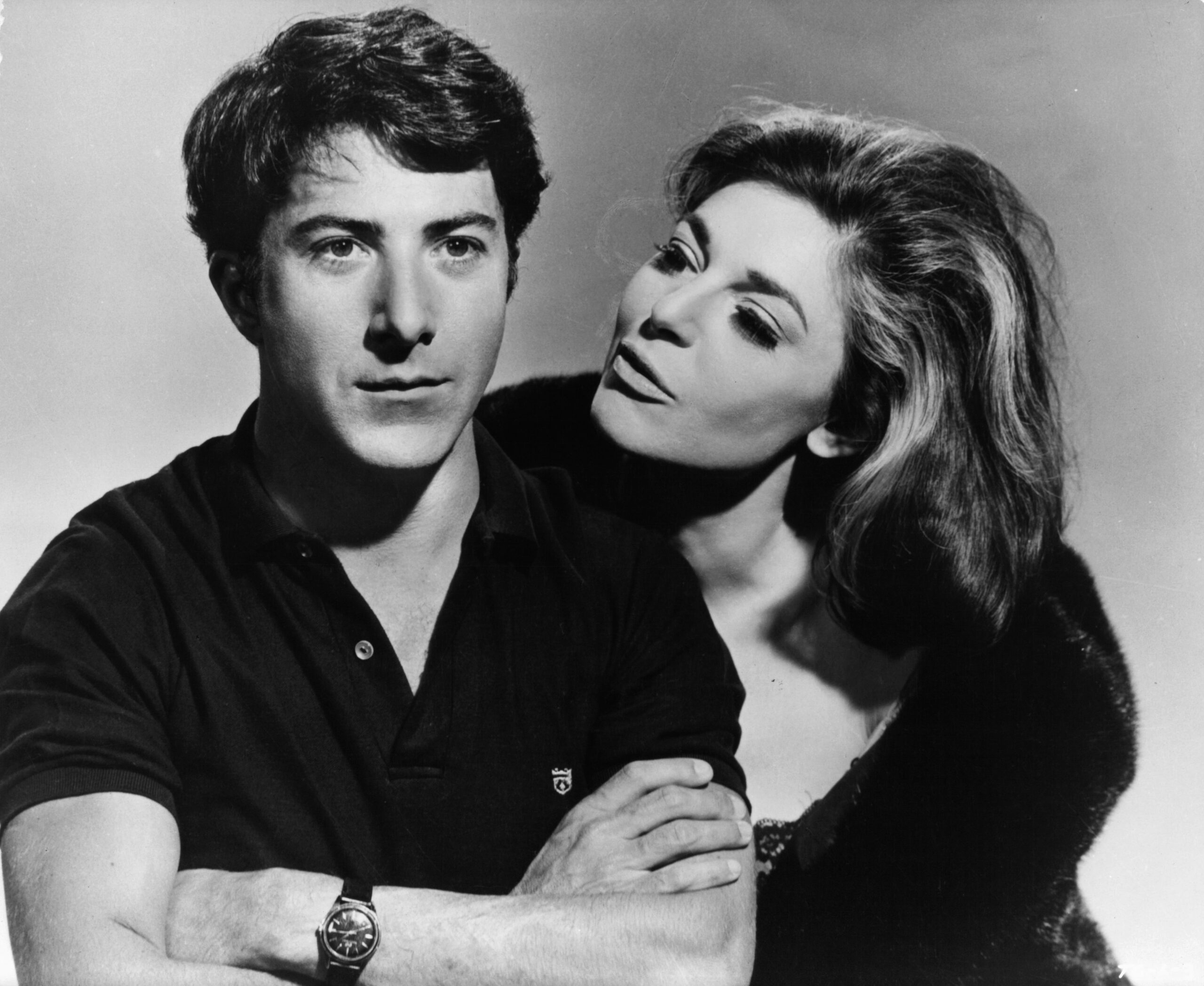
Dustin Hoffman is now regarded as one of the greatest actors of his generation, but in the mid-60s, he was an unknown talent struggling to make his mark. His portrayal of Benjamin Braddock—the recent college graduate entangled in a scandalous affair with the older, married Mrs. Robinson—is a masterclass in uncomfortable, “teeth-gritting” social anxiety.
Hoffman’s path to the role was anything but traditional. When he arrived for his audition, producer Joseph E. Levine actually mistook him for a window cleaner due to his unkempt appearance. Showing the quick wit that would define his career, Hoffman played along and began cleaning a window. Once Levine realized the “cleaner” was actually the actor he was supposed to meet, the casting magic began.
The Robert Redford Snub
It is difficult to imagine anyone other than Hoffman in the role, but he wasn’t the first choice. Robert Redford, already a rising star, screen-tested for the part. However, director Mike Nichols felt that Redford’s natural charisma worked against the character’s “underdog” essence.
When Redford insisted he understood Benjamin’s social misfit nature, Nichols reportedly replied with a classic zinger:
”Bob, look in the mirror. Can you honestly imagine a guy like you having difficulty attracting a woman?”
Redford took the point, and the role went to Hoffman, ensuring that Benjamin Braddock remained a character defined by relatable awkwardness rather than Hollywood glamour.
Navigating Criticism and Casting Doubts
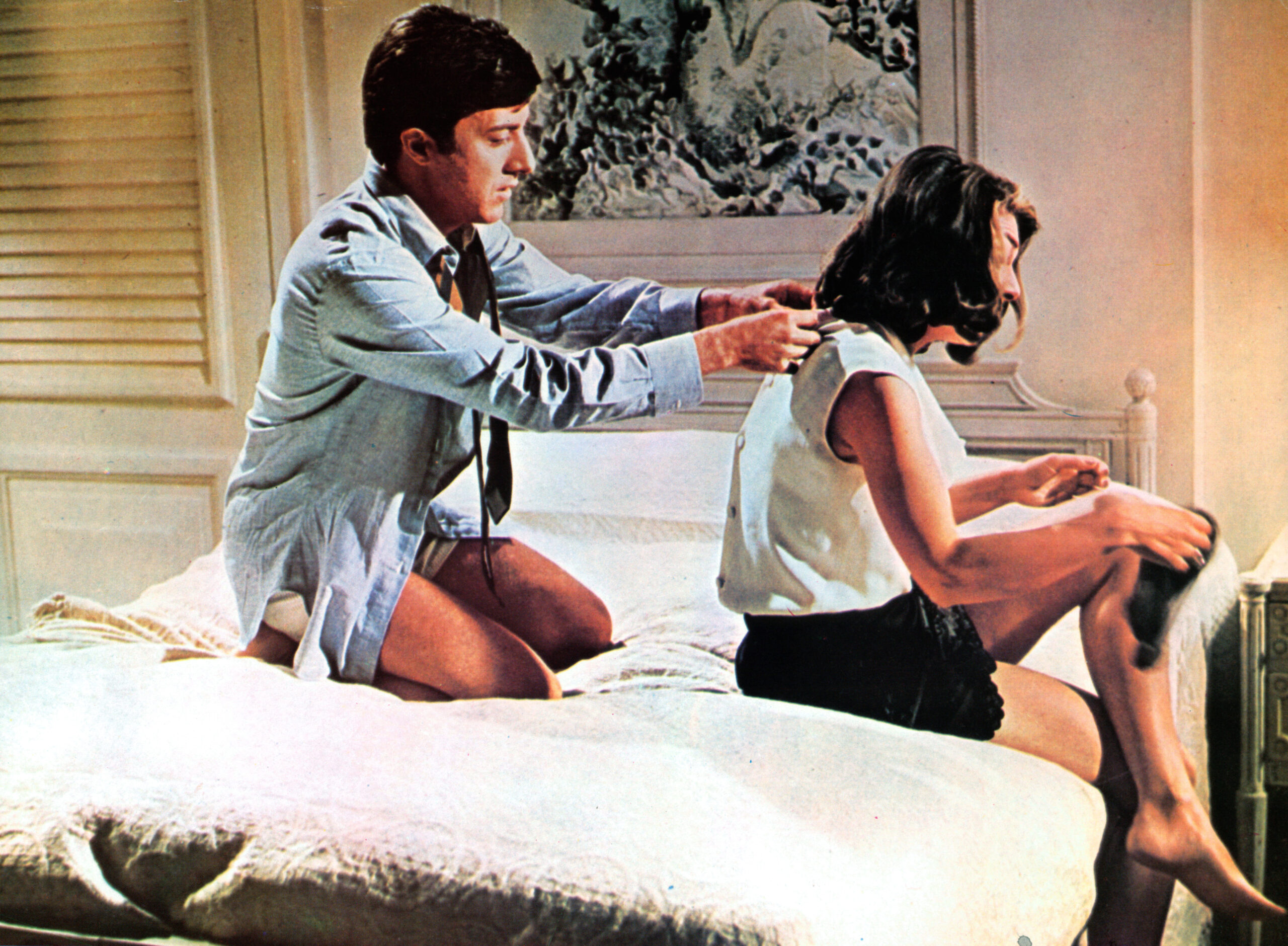
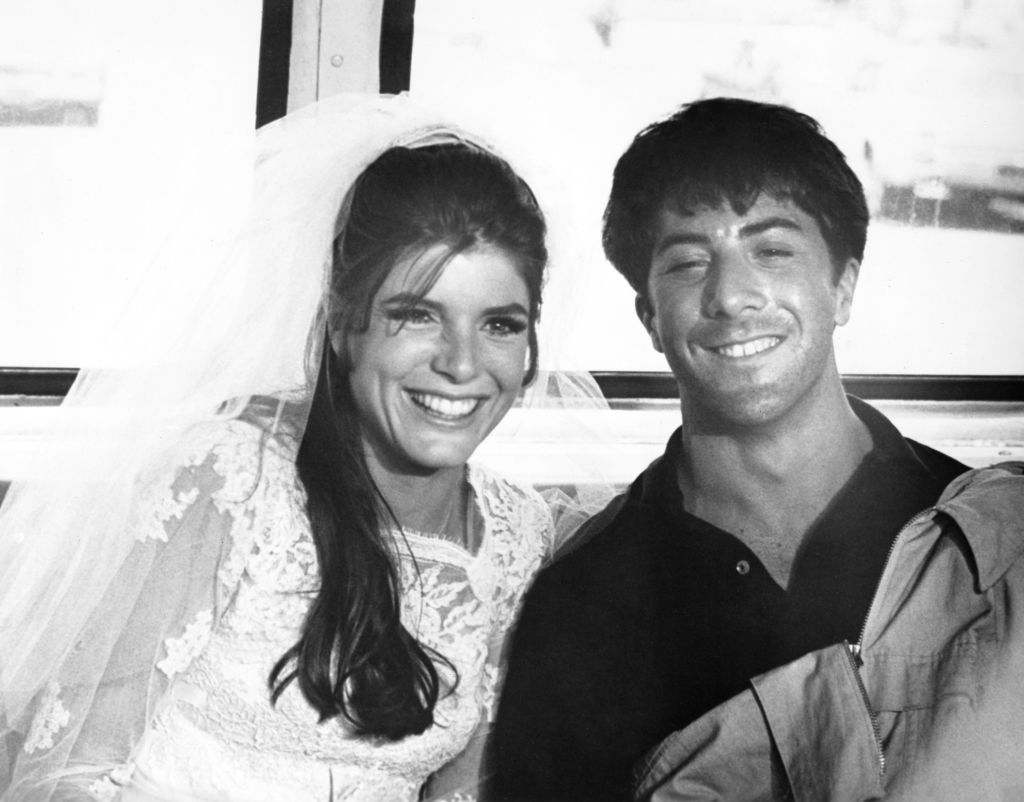
The chemistry between the leads was another hurdle. Hoffman was asked to perform a chemistry test with Katharine Ross (who played Elaine Robinson), despite having little experience with romantic scenes. Hoffman recalled feeling that “a girl like [Ross] would never go for a guy like me in a million years.” Ross was equally skeptical, initially describing Hoffman as “unkempt” and fearing the pairing would be a disaster.
Nichols, however, saw the potential in their friction. He won an Oscar for Best Director, though Hoffman faced harsh critiques at the time. Some reviews featured veiled prejudice, focusing on his “nasal voice” and physical features rather than his performance. Despite the negativity, Hoffman’s success paved the way for a new type of leading man in Hollywood.
Success Without the Payday
While The Graduate was a financial juggernaut, earning over $104.9 million and becoming the biggest hit of 1967, Hoffman didn’t see much of that wealth initially. He was paid $20,000 for his work. After taxes and expenses, he was left with $4,000. Remarkably, while the film was topping the box office, its star was living in a tiny two-room apartment in the West Village and collecting $55 a week in unemployment benefits.
Finding Mrs. Robinson
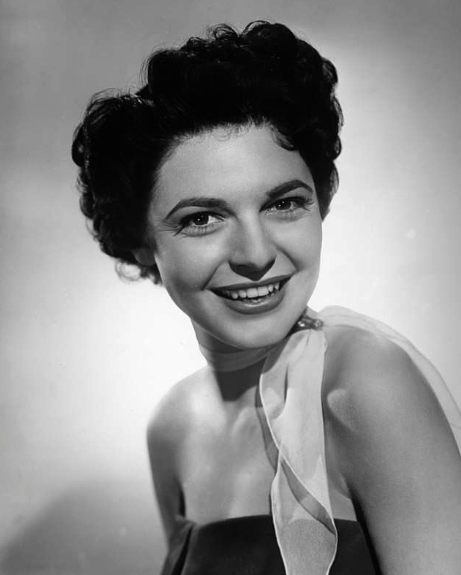
While Hoffman was the heart of the film, Anne Bancroft was its soul. Her portrayal of Mrs. Robinson remains one of the most nuanced and powerful performances in cinema history.
Finding the right actress for the role was a challenge. Nichols originally considered French actress Jeanne Moreau, playing on the European trope of older women “mentoring” younger men. Doris Day was also approached but famously turned the part down because she was uncomfortable with the required nudity. When Bancroft eventually stepped in, she brought an intensity that made the character an eternal icon.
The Accidental Improv in the Hotel
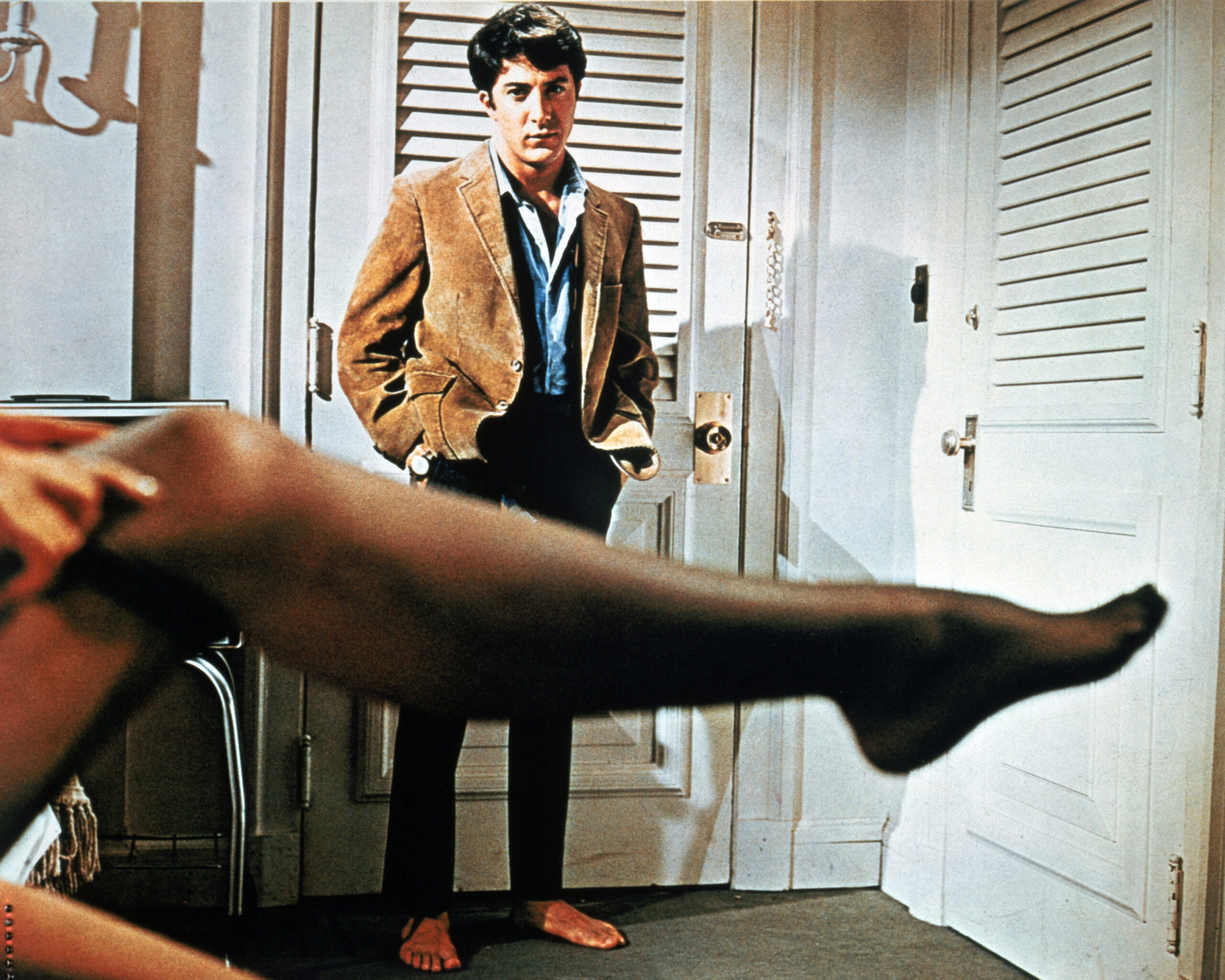
One of the most famous moments in the film—the hotel room encounter—featured a spontaneous gesture that wasn’t in the script. During a take, Hoffman unexpectedly reached out and touched Bancroft. He later explained that the move was inspired by a mischievous schoolboy prank.
The gesture caught Bancroft off guard, and director Mike Nichols erupted in laughter behind the camera. Hoffman, trying to stay in character while also stifling his own laughter, turned away and started banging his head against the wall. Nichols found the genuine awkwardness so perfect for the scene that he kept it in the final movie.
The Magic of Hollywood Aging
Mrs. Robinson is the quintessential “older woman,” yet the age gap between the actors was surprisingly small. Anne Bancroft was only 36 years old during filming—just six years older than Dustin Hoffman and eight years older than her onscreen daughter, Katharine Ross.
Through costume, makeup, and Bancroft’s commanding presence, Hollywood created the illusion of a significant generational divide. Hoffman’s boyish looks contrasted with Bancroft’s sophisticated, world-weary aesthetic, making the dynamic believable to millions of viewers.
The Bittersweet Legacy of Anne Bancroft
Bancroft’s relationship with the role was complex. In later years, she admitted that Mrs. Robinson often overshadowed her other significant stage and screen work. She frequently joked that young men would approach her for decades, confessing that she was their first major “crush.”
Anne Bancroft passed away from uterine cancer in 2005 at the age of 73. A private person, she kept her illness a secret until the end. In a moving tribute to her legacy, the lights of Broadway were dimmed, and Paul Simon performed “Mrs. Robinson” at her memorial service.
A Soundtrack That Defined a Generation
The music of The Graduate is inseparable from its visual identity. Originally, Mike Nichols and editor Sam O’Steen used the songs of Simon & Garfunkel merely as “temp tracks” to help with the rhythm of the editing. However, Nichols soon realized that no original score could match the haunting mood of tracks like The Sound of Silence.
Paul Simon initially pitched two other songs for the film—Punky’s Dilemma and A Hazy Shade of Winter—but Nichols rejected them. The song Mrs. Robinson wasn’t even written for the movie; it began as a track titled Mrs. Roosevelt. When Nichols heard the melody, he convinced Simon to change the name and adapt it for the film.
Innovative Visual Storytelling
The Graduate was groundbreaking for its use of visual metaphors and camera techniques. Two specific methods stand out:
- The Long Telephoto Lens: During the climactic race to the church, Benjamin is shown running directly toward the camera. By using a long lens, Nichols made it look as though Benjamin was running at full speed but staying in place—a visual representation of his struggle to make progress in his life.
- Directional Motion: In several scenes, Benjamin moves from right to left while everyone else moves from left to right. Since Western audiences are trained to read and see motion from left to right, his “counter-flow” movement subtly signaled to the audience that he was going against the grain of society.
Hidden Details and On-Screen Slip-ups
Even a masterpiece has its “movie magic” moments. Because Anne Bancroft had a “no nudity” clause in her contract, the crew had to find a body double for the brief scenes where Mrs. Robinson is unclothed. They reportedly scouted the Sunset Strip for a stand-in, eventually finding someone willing to perform the shots.
The film also contains a few classic “goofs” that fans love to spot:
- The Disappearing Lipstick: During a party scene, a lipstick mark appears and then vanishes from Benjamin’s cheek between takes.
- The Lighting Shift: During a night drive, a sudden cut to a greenhouse shows light that clearly resembles a sunny afternoon.
- The Mute Stereo: A record player is turned on in one scene but stops producing sound as soon as Benjamin moves to another room, despite no one turning it off.
A Cultural Touchstone
Decades after its premiere, The Graduate remains a vibrant part of pop culture. Its influence can be seen in countless parodies and homages. The Simpsons famously recreated the “leg framing” scene with Mrs. Krabappel, while Roseanne featured a dream sequence playing on the iconic imagery.
Whether it is the haunting melodies of Simon & Garfunkel, the sharp wit of the script, or the unforgettable performances of Bancroft and Hoffman, the film proves that true classics never lose their edge. It remains a timeless exploration of the confusion, passion, and rebellion of youth.