
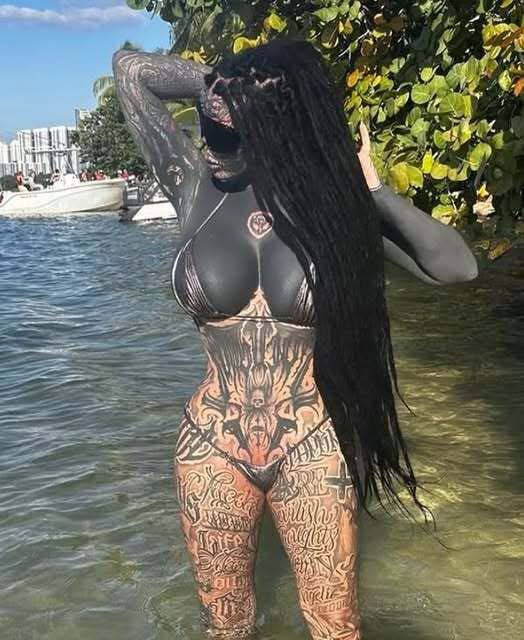
Tattoos, Identity, and the Stories We Wear on Our Skin
Tattoos have become one of the most recognizable forms of personal expression in modern culture. For some people, ink is more than decoration—it’s a visual diary that captures identity, beliefs, milestones, and memories. Whether it’s a small symbol with private meaning or a full sleeve designed to stand out, tattoos often represent choices that feel deeply intentional.
Why People Get Tattoos: Meaning Beyond the Design
Many individuals see tattooing as a way to mark important life moments—like overcoming hardship, celebrating recovery, honoring family, or remembering someone who’s passed away. In that sense, tattoos can function like permanent reminders of resilience, love, or transformation.
This is one reason tattoos are frequently tied to topics people care about most: mental health journeys, grief and healing, personal growth, and even faith. The artwork may be simple, but the meaning behind it can be life-changing.
Cultural and Spiritual Tattoo Traditions
In many communities around the world, tattooing has long carried cultural significance. Certain Indigenous traditions use tattoos as symbols of heritage, belonging, status, and spirituality. These designs aren’t just “body art”—they can be a form of storytelling that connects a person to ancestors, community history, and sacred values.
Because of this, cultural tattoos are often approached with deep respect, specific rituals, and strong community ties. They can represent identity in a way that goes far beyond current fashion trends.
Tattoos as Body Art and Creative Freedom
Not every tattoo needs a dramatic backstory—and that’s valid, too. Plenty of people choose tattoos purely because they love the look, admire a particular style, or want to treat their body like a creative canvas. From fine-line minimalist designs to bold traditional work, tattooing can be an evolving art form that changes with a person’s taste and life experiences.
In this way, tattoos can be similar to fashion or personal branding—an outward reflection of how someone wants to present themselves to the world.
Are Tattoos Still Controversial?
Even with wider acceptance, tattoos can still be viewed differently depending on culture, religion, or local social norms. Some conservative communities consider visible tattoos inappropriate or conflicting with traditional values. For others, the concern isn’t the tattoo itself, but what it’s assumed to represent.
These perceptions can influence how people are treated in public spaces, family settings, or formal environments—especially when first impressions matter.
Tattoos in the Workplace: Changing Rules and Old Stigmas
Professional attitudes toward tattoos have improved significantly, especially in creative industries and modern workplaces. Still, some employers maintain strict appearance policies that require tattoos to be covered. This usually reflects company image standards, customer-facing roles, or generational differences in how tattoos are perceived.
As workplace culture continues to evolve, more companies are focusing on performance and professionalism rather than appearance—yet the conversation is far from over.
The Bottom Line: It’s a Personal Choice
At the end of the day, getting tattooed is an individual decision shaped by values, culture, environment, and personal meaning. Whether someone views tattoos as art, identity, tradition, or a private reminder of what they’ve lived through, one thing remains true: tattoos are one of the most enduring ways humans choose to tell their stories.
What do tattoos mean to you? Share your thoughts in the comments—and if you enjoyed this read, bookmark the page and come back for more culture and self-expression stories.